
Quick Poll
What is the most frequent type of vandalism on your campus?
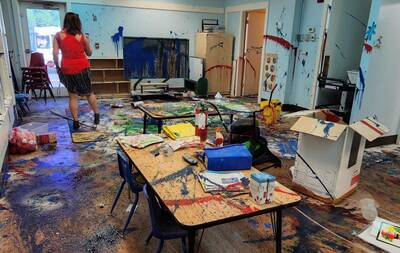
Vandalism in public schools is more than just a nuisance; it is a drain on operational budgets and a direct hit to campus morale. When a student walks into a restroom with shattered mirrors or ripped soap dispensers, the message is clear: nobody cares. But when facilities are hardened with the right materials and design strategies, you flip the script. The goal is to create an environment that is tough enough to withstand abuse, yet dignified enough to command respect. Here is a comprehensive, seven-step strategy to secure your campus.
1. Hardening the Target: Invest in Vandal-Resistant Furnishings

The restroom is the epicenter of school vandalism because it is one of the few places without constant supervision. Standard commercial fixtures are simply not engineered to survive a high school environment. If a fixture has leverage points, weak hinges, or plastic casings, students will eventually find a way to break it.
The solution is to upgrade to heavy-gauge stainless steel fixtures. Vandal Stop products utilize 12-gauge stainless steel—much thicker than standard commercial units—and tamper-proof fasteners. By replacing breakable plastic units with welded steel dispensers, you remove the opportunity for destruction.
However, hardening the target is only the first line of defense. To deter students from even attempting damage, you need to manage the environment outside the restroom doors.
2. Strategic Surveillance Placement

Surveillance is about perception as much as it is about evidence. While you cannot place cameras inside private areas like restrooms, their placement directly outside provides accountability. Administrators can correlate the time of damage with specific students entering or leaving the facility.
Cameras should be visibly positioned in high-traffic corridors, stairwells, and directly pointing at restroom entrances. Modern systems with motion tagging can save hours of review time, allowing security to pinpoint incidents in minutes rather than days.
Cameras work best when they can see clearly. That brings us to one of the simplest, yet most overlooked deterrents: light.
3. Lighting as a Psychological Deterrent

Vandals rely on concealment. Dark corners behind gymnasiums, unlit walkways, and dim restrooms provide the cover necessary to tag walls or damage property. If you illuminate the space, you eliminate the cover.
Upgrade to high-output LED lighting with impact-resistant housings. Motion-sensing lights are particularly effective in low-traffic areas; the sudden flood of light acts as a psychological "shock," making a potential vandal feel exposed. A well-lit campus doesn't just deter crime; it increases the quality of your video surveillance footage.
While physical security is critical, the most sustainable solution involves changing the students' mindset.
4. Foster Student Ownership

Psychologically, it is difficult to destroy something you helped create. Schools that successfully combat vandalism often shift the culture from "policing" to "ownership."
Engage the student body in campus beautification projects. When art classes paint murals on walls that were previously targeted for graffiti, tagging incidents in those areas often drop to near zero. Implementing student-led "campus pride" committees gives students a voice in maintaining their environment, turning the majority of the student body into guardians of the facility.
When damage does occur, how you react matters just as much as how you prevent it.
5. The 24-Hour Repair Rule

In criminology, the "Broken Windows Theory" suggests that visible signs of disorder encourage further disorder. If a tag on a locker is left for a week, it signals that no one is watching, inviting more tags.
To combat this, maintenance teams should strive for a 24-hour turnaround on vandalism repairs. Immediate removal of graffiti and rapid repair of broken items sends a subtle but powerful message of control. Using modular fixtures with replaceable parts ensures that repairs can be done quickly without the cost of replacing entire units.
For repetitive issues like graffiti, sometimes the best defense is making the surface itself fight back.
6. Protective Surface Coatings

For surfaces that are frequent targets of Sharpies and spray paint—such as bathroom partitions and lockers—proactive protection is significantly cheaper than constant replacement.
Apply non-sacrificial anti-graffiti coatings to these high-risk surfaces. These coatings create a barrier that prevents ink and paint from bonding to the material, allowing maintenance staff to wipe away vandalism with simple solvents rather than having to sandblast or repaint the entire surface.
Finally, consider how the architecture itself can guide behavior.
7. Crime Prevention Through Environmental Design (CPTED)

CPTED is an architectural philosophy that uses the physical design of spaces to reduce opportunities for crime. In the context of schools, this means structuring the environment in a way that encourages positive behavior and discourages mischief.
- Natural Surveillance: Placing windows or staff offices near common gathering areas.
- Access Control: Using fencing to direct movement and restrict access to secluded areas.
- Territorial Reinforcement: Using landscaping and pavement treatments to define "owned" space.
When students feel that an area is actively monitored and cared for, the impulse to vandalize decreases significantly.
Ready to End the Cycle of Replacement?
Preventing vandalism requires a mix of psychology, vigilance, and superior hardware. By combining a culture of respect with infrastructure that refuses to yield to abuse, schools can reclaim their budgets and their pride.
Don't just take our word for it. We are so confident in the durability of our American-made products that we encourage you to test one in your toughest environment.
Browse our Vandal Resistant Catalog or Contact Us for a consultation on hardening your facility.