

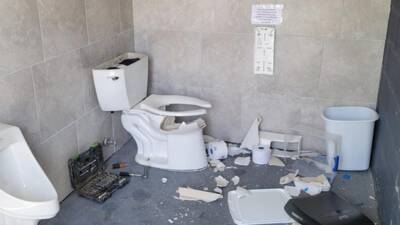
The Monday Morning Nightmare: A facility manager's worst fear realized.
For a Facility Manager, Park Superintendent, or School Principal, few things are more demoralizing than unlocking a facility on a Monday morning to find it destroyed. Smashed mirrors, broken porcelain, dispensers ripped from the walls, and graffiti covering every surface. It is a scene of senseless destruction that drains morale and budgets alike.
However, dismissing vandalism as "random" or "inevitable" is a strategic mistake. Vandalism is a complex sociological behavior with specific triggers, patterns, and root causes. To effectively stop it, you cannot simply paint over it; you must understand the psychology behind it.
This comprehensive guide consolidates years of research and field experience into a single resource. We will explore the Psychology of Destruction, the devastating Societal Costs of neglect, and the Engineering Strategies you can use to harden your targets and reclaim your facilities.
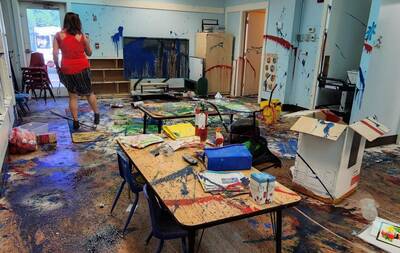
Part 1: The Psychology of Destruction
Why do they do it? This is the first question asked when viewing a destroyed room. The answer is rarely simple. Sociologists and criminologists generally classify vandalism into distinct categories, each requiring a different prevention strategy.
1. The "Boredom" Factor (Playful Vandalism)
Contrary to popular belief, a significant amount of damage is not malicious—it is recreational. This is most common in parks and schools involving adolescents. In this context, breaking a fixture is a "competition of skill" or a test of strength among peers. The vandal isn't angry at the facility; they are simply interacting with their environment to see if they can alter it. If it breaks, they win.
2. Vindictive Vandalism (Targeted Revenge)
This is destruction with a specific message. It is often directed at an institution (like a school administration or city government) to express grievances. The damage is intended to be as messy and expensive as possible—such as flooding toilets or pouring paint—to maximize the "hurt" caused to the owner.
3. Acquisitive Vandalism (Theft)
This is damage done for profit. We see this frequently in urban environments where copper wire is ripped from streetlights, or restroom dispensers are smashed not to break them, but to steal the paper products or batteries inside.

Unchecked graffiti signals a loss of control, inviting further crime.
Part 2: The Root Causes & The "Broken Windows" Theory
Vandalism does not happen in a vacuum. It thrives in environments that signal neglect. This phenomenon was famously described in 1982 by social scientists James Q. Wilson and George L. Kelling as the "Broken Windows Theory."
The theory posits that visible signs of disorder—such as a broken window, uncollected trash, or a single tag of graffiti—create an environment that encourages further crime. It sends a subconscious signal to the community: "No one cares about this place. No one is watching."
The Downward Spiral of Decay
Once this signal is sent, the decline is rapid:
- Phase 1: Aesthetic Blight. A single tag of graffiti appears on a mirror. If left for more than 24 hours, it attracts "copycat" tags.
- Phase 2: Withdrawal. Legitimate users (families, hikers, customers) feel unsafe and stop using the facility.
- Phase 3: Criminal Takeover. With legitimate users gone, the facility becomes a secluded haven for illicit activities, leading to major structural damage.
Part 3: The True Financial & Societal Costs
When a facility manager budgets for vandalism, they usually count the cost of the replacement part and the maintenance labor. This is only the tip of the iceberg.
The Direct Financial Drain
The direct costs are staggering. Cities across North America spend millions annually on graffiti abatement alone. For a small business or park district, a single incident can cost thousands in emergency plumbing repairs, overtime pay, and hazardous waste cleanup.
The Hidden Societal Costs
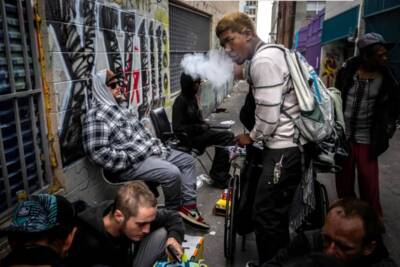
The indirect costs are often more damaging. As facilities degrade (as shown in the image), the surrounding area suffers. Property values decline. Tourism revenue drops as visitors avoid "unsafe" parks. Ultimately, the community loses a valuable resource. A restroom closed for repairs is a service denied to the taxpayer.
When we allow our public spaces to degrade, we invite the type of severe neglect seen in urban centers where drug use and homelessness take root in areas that were once vibrant public spaces.
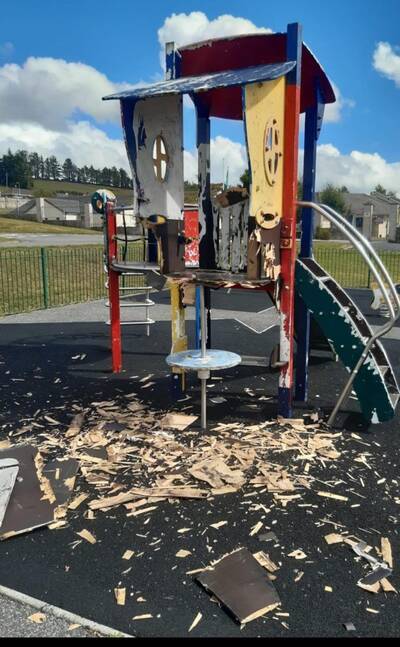
Standard materials cannot withstand determined abuse.
Part 4: Strategies for Reduction & Prevention
Hope is not a strategy. To reclaim your facilities, you need to implement CPTED (Crime Prevention Through Environmental Design). This involves three pillars: Natural Surveillance, Access Control, and the most critical for restrooms: Target Hardening.
1. Target Hardening: Material Selection
The most effective way to stop a vandal is to make the destruction physically difficult or painful to achieve. This is where "Value Engineering" fails. Specifying standard commercial plastic or thin 22-gauge steel is an invitation to abuse.
The Vandal Stop Difference: We recommend 12-gauge or 14-gauge stainless steel. This material is not just a covering; it is armor. When a vandal kicks a plastic dispenser, it shatters. When they kick a 12-gauge steel fixture, they hurt their foot.
2. The 24-Hour Rule
Speed is your best weapon. Studies show that removing graffiti or repairing damage within 24 hours drastically reduces the likelihood of a repeat attack. It breaks the cycle of the "Broken Windows Theory" by signaling that the facility is aggressively monitored.
3. Eliminate the Tools
Vandals are opportunists. If a fixture can be unscrewed with a dime, it will be.
- Torx-Pin & Tri-Groove: Use security fasteners that require specialized tools to remove.
- Anti-Ligature: Slope the tops of fixtures so they cannot be climbed on or used to hang items.
- Thru-Bolting: Don't rely on wall anchors. Bolt completely through the wall with a backing plate to prevent fixtures from being ripped down.

Conclusion: Reclaiming Our Public Spaces
Vandalism is a battle of wills. The vandal is betting that you will tire of fixing the damage before they tire of causing it. By altering the environment—hardening the targets with heavy-duty steel and maintaining strict repair protocols—you change the odds.
You can turn the tide. As seen in communities that have adopted these strategies, it is possible to transform a neglected, vandalized area back into a thriving, beautiful public resource.
Don't accept destruction as the cost of doing business. Equip your facility with the armor it needs to survive.
End the Cycle of Repair
Don't settle for flimsy hardware. Specify 12-gauge stainless steel for your next project.
100% Free. Verify the gauge yourself.